


The Ultimate Guide to Amsterdam Nightlife (2026)
Posted on: January 1, 2026
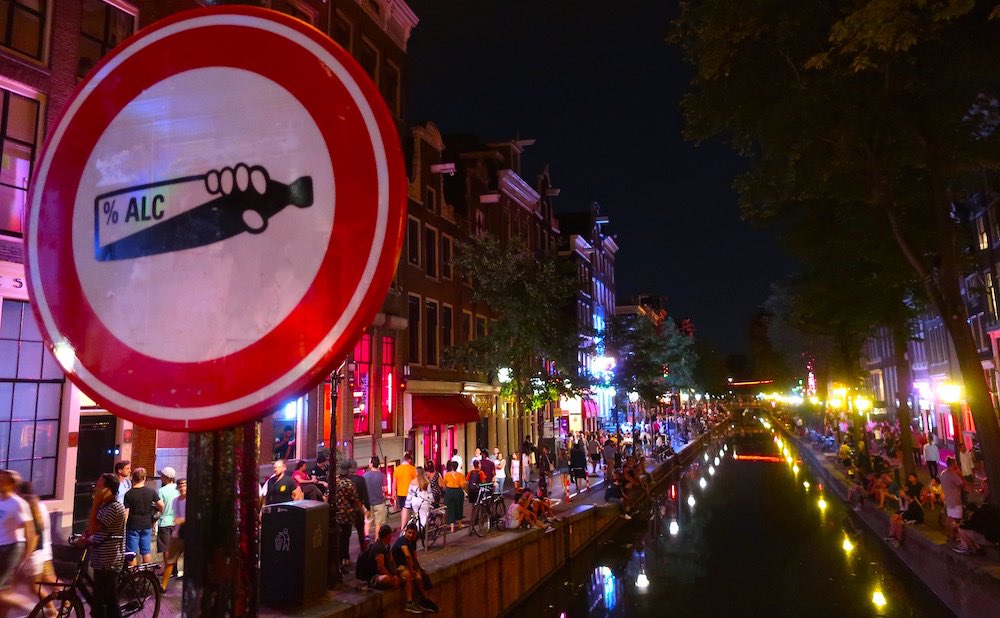
The Ultimate Guide to Amsterdam Nightlife: Best Districts, Clubs, Bars & Local Tips
Amsterdam nightlife can be thrilling—or a total mess without the right plan. Miss the best spots, waste money, hit long lines. This guide fixes that.
Overview of Amsterdam’s nightlife culture and vibe
Amsterdam nightlife is the mix of clubs, bars, live music, late-night food, and night walks you can do after dinner until early morning. The city feels open and social, but it also runs on rules. Knowing the vibe helps you pick the right places and avoid trouble.
A big part of the culture is “gezellig” (pronounced ge-ZELL-ig). It means cozy, warm, and friendly. You’ll feel it in small bars with candles, in busy squares full of chatter, and even on a night canal cruise.
Amsterdam also has a “plan ahead” nightlife style. Many popular clubs and events sell out, and some places have strict door rules. If you understand this, you waste less time standing in lines.
Key definitions
-
Nightlife district: an area with many bars/clubs close together.
-
Cover charge: the fee to enter a club/event.
-
Last entry: the latest time a venue lets you in, even if it’s still open.
Quick “night out” formula (budget)
-
Total Night Cost = Transport + Food + Drinks + Cover + Extras
-
Example: €8 (transport) + €15 (food) + €25 (drinks) + €15 (cover) + €10 (extras) = €73
How to match the vibe to your night
-
Pick your goal: dance, chill, meet people, or explore.
-
Choose a district that fits that goal.
-
Decide your “end time” (midnight? 3 AM?).
-
Build your plan around travel time and last entry rules.
Best nightlife districts (Leidseplein, Rembrandtplein, Jordaan, De Pijp, Red Light District)
Amsterdam’s nightlife works best when you stay in one area. These districts are popular because you can walk between venues, switch plans fast, and find food late at night.
Leidseplein
The Leidseplein (Leidse Square) is the classic “big night out” zone. It’s known for clubs, crowds, and busy lines. It’s great if you want high energy and don’t mind noise.
Rembrandtplein
The Rembrandtplein or Rembrandt Square is also lively but has a different feel: lots of bars, mixed music, and more casual hopping. It’s often easier for groups because you can find places with space.
Jordaan
The Jordaan area in Amsterdam is quieter and more local. You go here for brown cafés, relaxed drinks, and a slower pace. It’s the best pick if you want talk time more than dance time.
De Pijp
The Pijp district feels young and food-focused. You can do dinner, cocktails, and then a cozy bar without moving far. It’s also popular for date nights and small groups.
Red Light District (De Wallen)
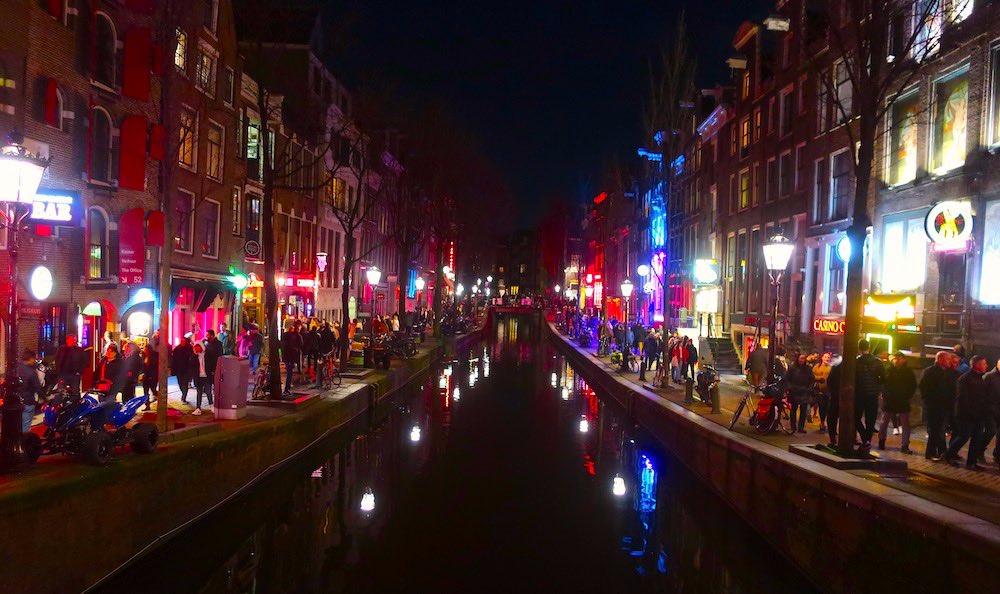
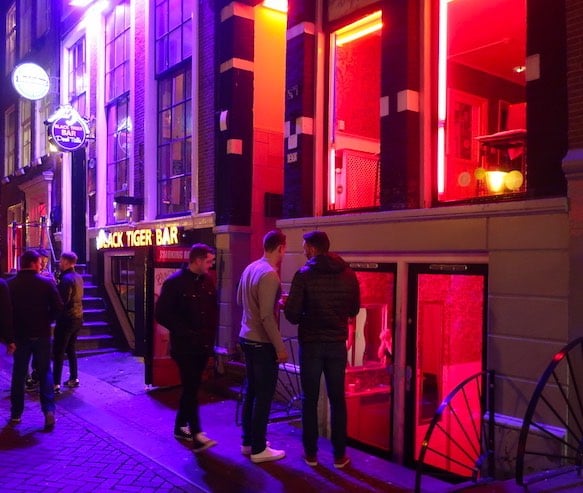
Amsterdam’s Red Light Districis famous, but it’s not “one big party.” It’s best for late-night walking, history, and people-watching, plus some bars and small venues nearby. Respect matters here: it’s a living neighborhood with workers and residents.
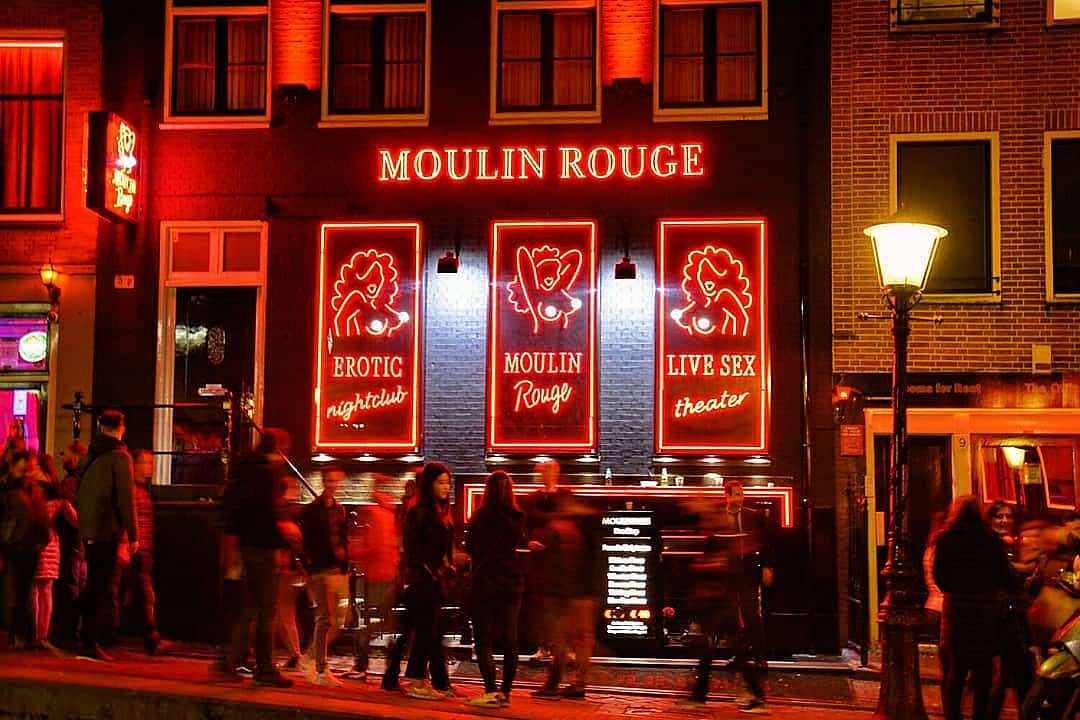
Amsterdam nightlife is not only about clubs and bars—it also includes adult entertainment that draws visitors from around the world. One of the most talked-about aspects is the live erotic performances found in and around the Red Light District.
For readers who want to understand this side of the city responsibly and legally, our detailed guide to Amsterdam sex shows explains what they are, where to find them, and how they fit into Amsterdam’s regulated nightlife culture.
District cheat sheet (quick table)
| District | Best for | Typical vibe | Good for first-timers? |
|---|---|---|---|
| Leidseplein | Clubs & big nights | Loud, busy | Yes (if you like crowds) |
| Rembrandtplein | Bar hopping | Social, mixed | Yes |
| Jordaan | Brown cafés | Calm, local | Yes (for chill nights) |
| De Pijp | Food + cocktails | Trendy, relaxed | Yes |
| Red Light District | Night walk + history | Intense, touristy | Yes (with etiquette) |
Famous clubs and dance venues
Amsterdam clubs range from big rooms with famous DJs to smaller spots with local talent. A club is a venue where the main activity is dancing to a DJ, usually with a cover charge and door policy. The “why” behind club choices matters: sound quality, crowd type, and music style can change your whole night.
Some clubs focus on electronic music, while others play pop, hip-hop, or mixed hits. The best way to enjoy a club is to match the venue to your music taste. If you pick the wrong style, the night feels long even if the club is “popular.”
Door policies can feel confusing, but they usually exist to keep the vibe safe and consistent. Places may refuse entry if you’re too drunk, part of a huge loud group, or not dressed for the venue. This isn’t personal—clubs protect their crowd and licensing rules.
Club basics (definitions)
-
Set time: when a DJ performs (example: 01:00–03:00).
-
Lineup: the list of DJs playing that night.
-
Capacity: max number of people allowed inside.
Step-by-step: how to pick a club night
-
Pick music style (techno, house, hip-hop, pop).
-
Check the lineup and set times.
-
Buy tickets early if it’s a known event.
-
Arrive before peak entry to avoid long lines.
-
Plan how you’ll get home (night bus, taxi, bike rules).
Simple time equation (to plan your night)
-
Total Night Time = Pre-drink + Travel + Queue + Dance + Travel Home
-
Example: 1h + 0.5h + 0.5h + 3h + 0.5h = 5.5 hours
Electronic music scene (techno, house, and underground events)
Amsterdam is one of Europe’s strongest cities for electronic music. Electronic music is made mainly with synthesizers, drum machines, and software, and it’s often played by DJs. Techno and house are the big styles, but you’ll also find disco, drum & bass, and experimental nights.
Techno is usually steady, hypnotic, and heavier. House is often warmer and more upbeat, with a groove you can bounce to. Knowing the difference helps you pick the right night so you don’t feel stuck in a vibe you don’t enjoy.
Underground events are smaller parties that focus more on music than “going out.” They may be in warehouses, art spaces, or hidden rooms. These nights can be amazing because the crowd is there for the sound, not just selfies.
To find good events, look for lineups, labels, and promoters, not just venue names. Promoters shape the music style and crowd rules. That’s why two parties in the same building can feel completely different.
Quick style guide
-
Techno: darker, steady beat, long builds
-
House: soulful, groovy, often brighter
-
Disco/Italo: funky, feel-good, retro energy
-
Drum & Bass: fast, heavy bass, high intensity
How to decide fast
-
Listen to one track from the headliner.
-
Check if the event mentions “all night long,” “live set,” or “label night.”
-
If you want space, pick larger venues; if you want community, pick smaller events.
Energy equation (simple)
-
Energy Left = Sleep + Food + Water − Alcohol − Late Hours
Keeping water and food high makes the night feel better and safer.
Live music venues and concert halls
Live music in Amsterdam includes rock, jazz, indie, classical, and world music. Live music means real-time performance by singers or musicians, not recorded tracks. The big difference from clubs is the focus: you’re there to listen first, dance second.
Concert halls are built for sound. They have better acoustics, seated areas, and clear start times. That’s why they’re great if you want a “clean” night plan that ends at a predictable hour.
Smaller venues feel more personal. You can stand close to the stage, talk to people between sets, and discover new bands. These nights often cost less than club nights and can be easier for visitors who don’t want strict door rules.
Live music also changes how you budget. Drinks may cost similar to bars, but you often pay for the ticket upfront. This can actually help you spend less because you’re not buying “one more drink” for hours.
Live music terms (simple definitions)
-
Support act: the opener before the main artist.
-
Soundcheck: testing sound before doors open.
-
Doors: the time the venue lets people in.
Mini plan for a smooth live show
-
Eat before the show (lines move slower at venues).
-
Arrive near doors if you want a good spot.
-
Use ear protection if it’s loud—your ears will thank you.
-
Plan transport home based on the end time.
Ticket value equation
-
Value per hour = Ticket Price ÷ Show Length (hours)
Example: €30 ÷ 2.5h = €12/hour of live entertainment.
Bars, pubs, and traditional brown cafés
A brown café is a classic Dutch bar with warm lighting, wood interiors, and a cozy feel. The “brown” comes from years of smoke and dark wood, not modern design trends. These places are perfect when you want conversation, not loud bass.
Bars in Amsterdam range from cocktail lounges to busy student pubs. Your best night often comes from choosing the right bar type for your mood. A packed party bar is fun for energy, but bad for deep talks.
Why brown cafés matter: they teach you local rhythm. People drink slower, talk more, and stay for hours. This is also where you can try Dutch beer culture and simple bar snacks.
If you want cocktails, look for bars that focus on craft drinks. They often use better ingredients and measure pours carefully. That’s why cocktails cost more—but they also taste better and feel “special.”
Bar types (quick list)
-
Brown café: cozy, local, slower pace
-
Pub: casual, beer-focused, social
-
Cocktail bar: quieter, pricier, quality drinks
-
Sports bar: screens, louder cheering
-
Hotel bar: polished, easy meeting spot
Simple ordering tips
-
Start with a small order to test prices.
-
Ask for a menu—some places don’t hand it out.
-
If you’re sharing, pay attention to rounds so no one feels used.
Drink budget equation
-
Drink Budget = (Drinks per hour) × (Hours) × (Avg drink price)
Example: 1 × 4 × €6 = €24
LGBTQ+ nightlife and queer-friendly venues
Amsterdam is known for LGBTQ+ inclusion, but each venue still has its own vibe. Queer-friendly means LGBTQ+ people are welcomed and safe, even if the venue is not specifically LGBTQ+. A dedicated LGBTQ+ venue often has music, events, and community spaces built around queer culture.
Why this matters: the right space lets you relax. You don’t waste energy reading the room or worrying about judgment. That changes the entire night because comfort makes people more social.
You’ll find drag shows, themed dance nights, and chill bars for conversation. Many places host specific nights (for example, drag bingo or DJ nights). Checking the event calendar matters because the same venue can feel totally different on different nights.
If you’re visiting, respect local norms. Amsterdam is open-minded, but public behavior still has limits—especially around harassment, filming strangers, or acting too drunk. Safe, respectful energy keeps these spaces welcoming for everyone.
Where to find LGBTQ+ nightlife and queer-friendly venues in Amsterdam?
Most LGBTQ+ nightlife venues are clustered around Reguliersdwarsstraat and Zeedijk, known as the city’s “gay street” and a central hub of queer social life after dark. This area makes it easy to bar hop or find a place that matches your mood — from chill pre-night drinks to full-on dance club energy.
Clubs & Dance Venues
-
Club NYX – Multi-floor club on Reguliersdwarsstraat with DJs, themed nights, and a lively late-night crowd.
-
Club Church – Famous queer space for dancing and socializing with unique theme parties and a bold vibe.
-
Back Door – A well-loved gay nightclub with strong beats and a welcoming crowd.
Bars & Social Hangouts
-
PRIK – A fun and popular gay bar with friendly atmosphere and cocktails.
-
Taboo Bar Amsterdam – Classic LGBTQ+ bar on Reguliersdwarsstraat with terrace vibes and weekly themes.
-
Bar Blend Amsterdam & BLEND XL Amsterdam – Drag shows, dance floors, and entertainment in the heart of gay nightlife.
-
The Queen’s Head – Gay bar with drag bingo and DJ nights near the canal.
-
Spijker Bar Amsterdam – Traditional gay bar with pool tables and a relaxed crowd.
-
Lellebel: Queer Bar – Queer-centric bar with comedy shows, karaoke, and drag nights.
-
Bears Amsterdam & Vereniging De Trut – More niche queer spaces with community vibes.
-
The Cuckoo’s Nest & Free Willie – Friendly bars with mixed crowds and active nightlife.
Terms you may see
-
Drag show: performance art using costumes, makeup, and stage presence.
-
Theme night: event based on music or community (example: disco night).
-
Ally: someone who supports LGBTQ+ people and respects the space.
How to choose a good night
-
Decide: show night or dance night.
-
Check if it’s ticketed or walk-in.
-
Go early for shows, later for dancing.
-
Keep your group respectful—spaces are community-first.
Coffeeshops and their role in Amsterdam nightlife
In Amsterdam, a coffeeshop is not a café. It’s a licensed place where adults can buy and use cannabis under Dutch rules. A regular coffee café sells espresso and cake; a coffeeshop sells cannabis products and often has a lounge vibe.
Coffeeshops are part of nightlife for some visitors because they’re open late and feel relaxed. For others, they are a “start of the night” stop before bars, not the main event. Knowing how they work helps you avoid awkward moments or unsafe choices.
Why rules matter: coffeeshops operate under strict conditions. They can refuse service, ask for ID, and enforce no-photos rules. Also, mixing cannabis with lots of alcohol can make people feel sick faster.
Amsterdam nightlife often starts or ends in a coffeeshop, especially for visitors who want a relaxed break from bars and clubs. Coffeeshops in Amsterdam are licensed, regulated spaces where adults can legally buy and use cannabis under clear rules.
Choosing the right place matters for comfort, safety, and quality, as not all coffeeshops offer the same atmosphere or standards. For readers who want reliable, up-to-date recommendations, our guide to the best Amsterdam coffeeshops explains which locations are well-managed, visitor-friendly, and suited for a calm nightlife experience.
If you choose to visit, go slow. Effects can take time and can feel stronger than expected, especially for first-timers. The best night is a controlled night.
Coffeeshop basics (quick guide)
-
Bring ID (adult-only entry).
-
Ask staff for strength advice if you’re unsure.
-
Start small and wait before taking more.
-
Don’t smoke where it’s not allowed (respect public rules).
Pacing equation (simple safety)
-
New Dose = 0 if you feel “too high”
-
Wait time rule: give yourself 30–60 minutes before deciding anything.
Step-by-step: safer first visit
-
Eat first.
-
Choose a mild option.
-
Drink water, not heavy alcohol.
-
Plan a calm route home.
6 Good Restaurants in Amsterdam
Budget-Friendly (Up to ~€20 per person)
1. Vleminckx Sausmeesters
Vleminckx is famous for Dutch fries with a huge selection of sauces. It’s perfect for a quick, tasty bite between nightlife stops. The portions are generous and the experience is classic Amsterdam street food.
2. Piqniq
Piqniq serves affordable sandwiches, bowls, and creative snack plates with fresh, seasonal ingredients. It’s a great choice for a light meal before going out. The casual vibe and central spots make it a local favorite.
Mid-Range (Approx €25–€45 per person)
| Restaurant | Style | Why Go |
|---|---|---|
| Bazar (De Pijp) | Middle Eastern & North African | Lively, colorful spot with large, flavorful plates shared easily with friends. |
| Cannibale Royale (Multiple) | Burgers & Grill | Hearty, well-made burgers and grill dishes; fun atmosphere before nightlife. |
3. Bazar
Bazar offers bold, spice-rich dishes in an eye-catching interior that feels fun and social. Portions are large, perfect for sharing before bars or drinks. The vibe fits casual group dinners.
4. Cannibale Royale
Cannibale Royale focuses on burgers, steaks, and grill classics with generous portions and solid drinks. It’s a relaxed yet upbeat choice before a night out. Good service and consistency make it easy to recommend.
Slightly Upscale (Approx €50–€85 per person)
5. Restaurant Breda
Breda serves modern European food with seasonal Dutch ingredients and elegant plating. Tasting menus are creative and well-balanced. It’s perfect for a nicer dinner before a special evening out.
High-End (Approx €100+ per person)
6. Ciel Bleu (Hotel Okura)
Ciel Bleu is a two-Michelin-star restaurant with breathtaking city views and refined, artistic cuisine. The tasting menus use top-quality ingredients and precise techniques. This is ideal for a special occasion or luxury night out in Amsterdam.
Quick Comparison
| Budget Level | Typical Price | Best For |
|---|---|---|
| Budget | ≤€20 | Quick, tasty snacks before nightlife |
| Mid-Range | €25–€45 | Group dinners and hearty meals |
| Slightly Upscale | €50–€85 | Elegant dinners before clubs |
| High-End | €100+ | Fine dining and special occasions |
Simple Nightlife Dining Tip
If you plan to eat before the nightlife rush, try to make your reservation by 19:00–20:00. This gives you time to enjoy your meal and walk to nightlife areas without feeling rushed.
Late-night dining and street food spots
Late-night food is part of a good nightlife plan because it keeps your energy steady. Late-night dining means restaurants or counters open after typical dinner hours. It matters because alcohol plus no food can lead to fast dehydration and bad decisions.
Amsterdam has many quick bites that fit nightlife: fries, shawarma, pizza slices, and snacks you can eat while walking. Some places are open very late near nightlife districts. Eating before you go home can also help you sleep better.
Why food changes your night: it slows alcohol absorption. This helps you feel more stable and reduces hangover risk. It’s not a magic shield, but it helps.
When choosing where to eat, look for clean, busy spots. A steady line often means fast turnover and fresher food. Also, keep an eye on your belongings—late-night food lines are common pickpocket zones.
Quick late-night food checklist
-
Choose a place with good lighting and steady customers.
-
Order water with your food if possible.
-
Pick foods with salt + carbs (helps you recover).
Simple recovery meal formula
-
Recovery Meal = Carbs + Protein + Water
Examples: fries + chicken + water, or pizza + water.
Mini table: what to eat for your goal
| Goal | Best choice | Why it helps |
|---|---|---|
| Avoid nausea | plain carbs + water | gentle on stomach |
| Stay awake | balanced meal | steady energy |
| Reduce hangover | water + salty food | supports hydration |
Alternative nightlife experiences (canal cruises, comedy shows, speakeasies)
Not all nightlife has to be clubs. Alternative nightlife means evening activities that are social but not centered on dancing. This is great if you want something memorable without the stress of lines and loud music.
A night canal cruise is a calm way to see the city lights. It works well for couples, small groups, and first-time visitors. It’s also a smart “start of night” option before bars.
Comedy shows offer structured fun: you arrive, you sit, you laugh, you leave. This is perfect if your group can’t agree on music. Speakeasy-style bars (hidden or discreet entrances) add a “treasure hunt” feeling, which makes the night more exciting.
Why these options help your trip: they lower risk. You spend less time around heavy drinking crowds, and more time doing planned activities. That often means better memories and fewer problems.
Pick the right alternative (fast steps)
-
Want views? Choose a canal cruise.
-
Want laughs? Choose comedy.
-
Want “cool vibe”? Choose a speakeasy.
-
Want culture? Choose night museums or events (when available).
Time planner
-
Activity block = 90–120 minutes
That’s enough to enjoy it and still have time for a bar after.
Amsterdam nightlife also includes regulated adult entertainment, especially in and around the Red Light District. Visiting a stripclub in Amsterdam is very different from many other cities because venues operate under clear laws, strict licensing, and defined rules for guests and performers.
Well-known places like Club BonTon go a step further by offering educational tours inside a former brothel, hosted by a former sex worker, giving visitors real insight into how legal sex work functions in Amsterdam. This makes adult nightlife here not just about entertainment, but also about understanding consent, safety, and the city’s unique approach to regulation.
Dress codes, entry rules, and club etiquette
Amsterdam is not always formal, but clubs can be strict. Dress code means the style a venue expects (clean shoes, no sportswear, etc.). Etiquette means how you behave so you don’t ruin the vibe for others.
Why this matters: many clubs choose who enters to keep the crowd safe and consistent. If they let in people who are too drunk, aggressive, or disrespectful, the night gets worse for everyone—and it can cause licensing problems.
A common mistake is arriving as a loud group that looks like it will cause trouble. Even if you’re friendly, the door staff doesn’t know that. Calm body language, polite conversation, and being prepared (tickets/ID) helps a lot.
Inside, respect personal space. Don’t push, don’t grab, and don’t film strangers without consent. If you’re in doubt, choose kindness—Amsterdam nightlife is fun when everyone feels safe.
Do / Don’t (quick list)
-
✅ Do: carry ID, have tickets ready, stay calm at the door
-
✅ Do: keep your voice down in queues and residential streets
-
❌ Don’t: show up very drunk, argue with staff, or film workers/strangers
-
❌ Don’t: block dance floors or shove through crowds
Etiquette equation
-
Good Night = Respect + Patience + Awareness
It’s simple, but it works.
Opening hours and best times to go out
Timing can make or break your night. Opening hours are when a venue operates, but the “best time” depends on the type of place. Bars often start earlier; clubs usually get busy later.
A smart plan avoids the worst lines. Many clubs have a peak entry window when everyone arrives at once. If you come too late, you might face long queues or last-entry limits. If you come too early, the room can feel empty.
Weekends are busier than weekdays, but weekdays can be more relaxed and cheaper. Some venues host special themed nights midweek. That’s why checking the schedule helps you get more value.
Also think about transport. Some public options run less often late at night. If you wait until the final moment, you may pay more for a taxi or spend extra time walking.
Typical timing pattern (simple guide)
-
Dinner: 18:00–21:00
-
Bars: 20:00–00:00
-
Clubs get busy: 23:30–02:00
-
Late night: 02:00–04:00+ (varies by venue)
Step-by-step: best timing strategy
-
Start with a bar near your target club.
-
Move to the club before peak lines.
-
Plan your exit before you’re exhausted.
Queue time idea
-
Expected Queue ∝ Popularity × Peak Hour
Higher popularity + later arrival usually = longer wait.
Nightlife in Amsterdam often runs later than public transport, so planning your way home matters. Metro lines, trams, and buses reduce service at night, but special night buses operate on weekends.
Checking official schedules before going out helps you avoid long walks or expensive taxis. The GVB Amsterdam public transport website shows up-to-date metro hours, night bus routes, and service changes, making it easier to plan your return after clubs close.
Safety tips, local laws, and nightlife dos & don’ts
Amsterdam is generally safe, but nightlife adds risks: crowds, alcohol, and distraction. Safety means planning so you reduce the chance of theft, injury, or legal trouble. It’s about prevention, not fear.
Local rules matter because fines and trouble ruin trips. Some areas are residential, so loud behavior can cause conflict. Also, many venues and neighborhoods have clear “no photos” norms, especially where privacy is sensitive.
Watch your drinks and your phone. Pickpockets love busy squares and late-night food lines. If you keep your phone in a tight pocket or zipped bag, you cut risk a lot.
If something feels off, leave. The best nightlife skill is knowing when to change plans. A short walk to a calmer street can reset the whole night.
Dos & Don’ts
-
✅ Do: keep valuables zipped, use well-lit routes, stick with friends
-
✅ Do: save your hotel address offline
-
❌ Don’t: accept open drinks from strangers
-
❌ Don’t: argue with door staff or police
-
❌ Don’t: film people in sensitive areas
Amsterdam has clear rules to keep nightlife safe for visitors and residents. These cover noise levels, public behavior, alcohol use, photography, and how regulated adult entertainment works.
To avoid fines or misunderstandings, it’s smart to follow the official guidelines published by the city itself. The City of Amsterdam’s official policy and regulations explain what is allowed, what is not, and why these rules exist, helping visitors enjoy Amsterdam nightlife responsibly and legally.
Safety equation
-
Risk = (Alcohol × Crowd) ÷ Awareness
Higher awareness lowers risk, even in busy places.
Quick “if-then” plan
-
If you lose your group → pick a meeting spot.
-
If you lose your phone → use a backup contact method.
-
If you feel unwell → water + food + calm space.
Amsterdam nightlife often brings people together through bars, clubs, and social events, but it’s important to understand how dating and intimacy work within local laws and culture.
Arranging a sex date in Amsterdam is not about random street encounters; it usually happens through dating apps or dating websites, licensed venues, or clearly defined services where consent and transparency are central.
The city’s regulated approach exists to protect both locals and visitors, reduce exploitation, and set clear boundaries around what is legal and respectful. Knowing the correct and lawful ways to meet people helps visitors avoid scams, misunderstandings, and risky situations while enjoying Amsterdam’s nightlife responsibly.
Costs, cover charges, and budgeting for a night out
Nightlife costs add up fast, so budgeting keeps the night fun. Cover charge is the entry fee, usually for clubs and special events. You may also pay for a coat check, booking fees, or a ticket upgrade.
Why prices vary: clubs pay for DJs, sound systems, staff, and security. Big events cost more because they offer stronger lineups and higher production. Smaller bars may be cheaper because you’re mostly paying for drinks.
A good budget also includes “hidden costs.” Late-night transport and snacks can be more expensive than expected. If you plan for them, you don’t feel stressed at 03:00.
Setting a spending limit helps you make smarter choices. When you know your max, you can pick: better cocktails OR a club ticket, instead of overspending on both.
Budget table (example ranges)
| Item | Typical cost idea | Why it matters |
|---|---|---|
| Drinks | varies by venue | main spending driver |
| Cover | ticket/door fee | controls entry |
| Transport | night travel cost | surprise expense |
| Food | late snack or meal | improves safety |
| Extras | coat check, tips | adds up quietly |
Budget equation (simple)
-
Night Budget = Fixed Costs + Variable Costs
-
Fixed: tickets + transport
-
Variable: drinks + food + extras
Step-by-step budgeting
-
Set a max spend.
-
Subtract fixed costs.
-
Split the rest into drinks + food.
-
Keep a small “emergency buffer.”
Tips for tourists vs. locals (avoiding scams and tourist traps)
Tourists and locals often “go out” differently. Locals may pre-plan with friends and go to fewer places, while tourists try to see everything in one night. That “do it all” mindset can lead to long walks, bad choices, and overpriced spots.
Tourist traps usually share a few signs: aggressive promoters, unclear pricing, and menus that don’t match what you get. The goal is to get you inside fast, not give you a great night. If someone pressures you hard, that’s a red flag.
A safer strategy is to choose venues with clear info: posted prices, real reviews, and a steady crowd that looks relaxed. Also, be careful in crowded nightlife squares where distractions are everywhere.
Respecting local norms helps too. Amsterdam residents live near nightlife areas, so quiet walking on side streets matters. When visitors act rude, it makes doors stricter for everyone.
Scam/trap warning signs
-
“Free entry, free shots” promises that feel too good
-
No visible menu or hidden drink prices
-
Staff pushing you to pay fast
-
Someone trying to guide you to an ATM
Contact the Amsterdam police if you’re scammed.
Smart tourist strategy (step-by-step)
-
Pick 1 district, not 4.
-
Choose 1 “main event” (club/show), then build around it.
-
Avoid random promoters—use official tickets when possible.
-
Keep your phone and wallet secure in crowds.
Decision rule
-
If it feels rushed or unclear → skip it. A better place is usually one street away.
Frequently Asked Questions About Amsterdam Nightlife
1. What is Amsterdam nightlife like?
Amsterdam nightlife is diverse and lively. You’ll find clubs, bars, live music, brown cafés, karaoke bars and late-night food, often open until early morning.
2. What are the best nightlife areas in Amsterdam?
The most popular nightlife districts are Leidseplein, Rembrandtplein, De Pijp, Jordaan, and the Red Light District.
3. What time does nightlife start in Amsterdam?
Bars usually get busy around 8–10 PM. Clubs start filling up after 11:30 PM and peak between 1–3 AM.
4. What time do clubs close in Amsterdam?
Most clubs close between 3–4 AM on weekdays and 4–6 AM on weekends, depending on the venue and day.
5. Is Amsterdam nightlife safe?
Yes, Amsterdam nightlife is generally safe. Stay aware, watch your belongings, and avoid heavy drinking to reduce risks.
6. Do Amsterdam clubs have dress codes?
Yes, many clubs have dress codes. Clean shoes, neat clothes, and a tidy appearance increase your chances of entry.
7. How much does a night out in Amsterdam cost?
A typical night out costs €50–€90, including drinks, food, transport, and possible club entry fees.
8. Do you need ID to go out in Amsterdam?
Yes. Most clubs, bars, and coffeeshops require valid photo ID. Passports or EU IDs are accepted.
9. Are there cover charges for clubs in Amsterdam?
Many clubs charge a cover fee, usually €10–€25. Popular events and DJs often require tickets in advance.
10. What kind of music is popular in Amsterdam clubs?
Electronic music is very popular, especially techno and house. You’ll also find hip-hop, pop, and live music venues.
11. Is the Red Light District part of Amsterdam nightlife?
Yes. The Red Light District is active at night with bars, walking areas, and cultural spots, but it is not mainly a club zone.
12. Are coffeeshops part of Amsterdam nightlife?
Yes, for some people. Coffeeshops are legal places to buy cannabis, but they follow strict rules and are not party venues.
13. Is Amsterdam nightlife LGBTQ+ friendly?
Yes. Amsterdam is very LGBTQ+ friendly, with dedicated venues, queer-friendly clubs, and inclusive nightlife spaces.
14. Can tourists get rejected from Amsterdam clubs?
Yes. Clubs may refuse entry due to dress code, group size, or intoxication. This applies to locals and tourists alike.
15. What is the best way to plan a night out in Amsterdam?
Choose one district, check opening times, plan transport, and budget ahead. Arriving early avoids long lines and stress.





-
- Home
- Tours
- Hotels
- Information
- History
- FAQ
- Contact
- Privacy Policy
Sitemap
-
- Coffeeshops
- Restaurants
- Sex Clubs
- Museums
- Canal Cruises
- Bike Rental
Entertainment
-
Contact


© 2010–2026 Amsterdam Red Light District – Amsterdam Red Light District Travel Guide. Webdesign by BIRO.
 EN
EN  DE
DE  FR
FR  NL
NL  ES
ES  ZH
ZH