


Amsterdam Red Light District FAQs 2026
Amsterdam Red Light District FAQ
Planning to visit Amsterdam’s Red Light District? This FAQ gives quick, clear answers about De Wallen, local rules, safety, opening hours, directions, and what first-time visitors should expect.
Last updated: October 2026.

De Wallen is one of Amsterdam’s oldest neighbourhoods. Please visit respectfully: do not photograph sex workers or occupied windows.
Why trust this FAQ?
Amsterdam Red Light District Tour has been online since 2010, and our guide team has been helping visitors understand Amsterdam since 2014. We update this page regularly and check practical facts against official sources where needed.
This page is written for real visitors, not just for search engines. The goal is simple: answer the most common questions in plain English, so first-time visitors can understand the area quickly and avoid basic mistakes.
- Reviewed by local guides based in the Netherlands
- Updated for visitors and checked against official policy pages
- Written to be clear, respectful, and easy to scan
- Focused on practical travel questions, rules, and local context
Want to explore De Wallen at your own pace?
Get the self-guided audio tour →Basic questions about Amsterdam’s Red Light District
What is Amsterdam’s Red Light District?
Amsterdam’s Red Light District is a historic city-centre area known for window prostitution, nightlife, canals, bars, museums, and adult entertainment. In Dutch, the best-known area is called De Wallen.
Is De Wallen the same as Amsterdam’s Red Light District?
Yes. In most travel searches, “Amsterdam Red Light District” means De Wallen, the city’s main and most famous window prostitution area.
Why is it called the Red Light District?
It is called the Red Light District because red lights have long been used to mark window prostitution. In Dutch, the area is usually called De Wallen.
What is the Blue Light District in Amsterdam?
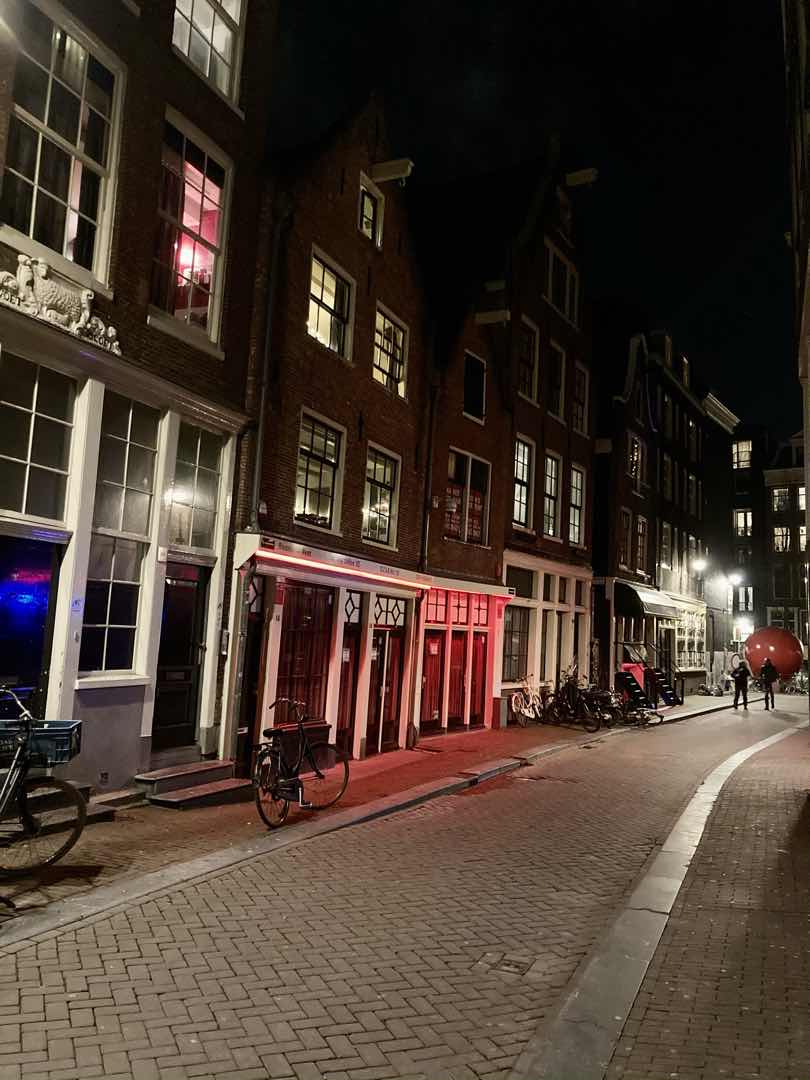
“Blue Light District” is an informal nickname for a few streets in De Wallen where some windows show a blue light. Traditionally, a blue light marks a transgender sex worker (mainly on Bloedstraat and Gordijnensteeg), and that is where the nickname comes from. It is not a separate official district.
How many Red Light District areas are there in Amsterdam?
Amsterdam has three window prostitution areas: De Wallen, Singel, and Ruysdaelkade. De Wallen is the largest and best known.
Which Red Light District area is best for first-time visitors?
De Wallen is best for most first-time visitors. It has the most history, the best-known streets, and the largest mix of nightlife, canals, museums, and window brothels.
If you want the full area guide, read our Amsterdam Red Light District guide.

See our Amsterdam Red Light District map and directions
Location, directions, and orientation
Where is Amsterdam’s Red Light District?
De Wallen is in Amsterdam’s old city centre, between Dam Square and Nieuwmarkt, about a 5 to 10 minute walk from Amsterdam Central Station.
Nearby streets and landmarks: Oudezijds Achterburgwal, Oudezijds Voorburgwal, Warmoesstraat, Oude Kerk, Dam Square, and Nieuwmarkt.
How do I walk from Amsterdam Central Station to De Wallen?
Walk south from Amsterdam Central Station toward Damrak, then continue into Warmoesstraat or toward Oude Kerk. The walk usually takes 5 to 10 minutes.
The easiest way is to use one clear landmark. Many visitors aim for Oude Kerk first, then explore the nearby canals and alleys from there.
How many windows are there in De Wallen?

The City of Amsterdam counts 247 sex work places in the Wallen area in its December 2025 figures, with 348 window workplaces across the whole city in 2023. The often-quoted “around 290” has no official source. The number still changes over time with city policy and licensing. See our Red Light District statistics for the sources.
What can you see in the Red Light District besides the windows?

Besides the windows, visitors come for historic canals, Oude Kerk, Chinatown, nightlife, museums, bars, cafés, architecture, and evening atmosphere.
Museum of Prostitution
More museums in De Wallen
Opening hours and best time to visit
Is the Red Light District open 24/7?
Yes. The district itself is a public neighbourhood and can be visited 24/7. Individual windows, bars, museums, and venues keep their own opening hours.
Are the windows open all day?
No. Window opening hours vary, and the busiest period is usually in the evening. In Amsterdam, window prostitution establishments are generally closed between 6:00 and 8:00 in the morning.
Is the Red Light District open on Sundays?
Yes. The neighbourhood is open every day, including Sundays. Some businesses may open later or close earlier, but the area itself is always accessible.
What is the best time to visit Amsterdam’s Red Light District?

The best time to visit is usually between 8:00 pm and midnight. That is when De Wallen feels most lively, while still being easier to walk through than very late at night.
Daytime is calmer and better for canals, photos of architecture, and local history. Evening is better for atmosphere and nightlife.
Is the Red Light District worth visiting during the day?
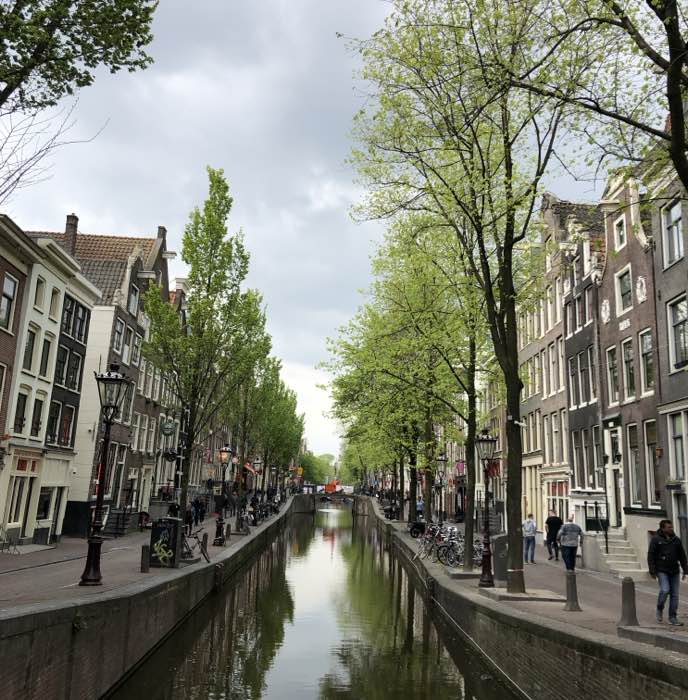
Yes. Daytime is better for architecture, canals, and local history. Evening is better for atmosphere and nightlife.
What is the best season to visit Amsterdam’s Red Light District?
Spring and early autumn are the best seasons for many visitors. The weather is usually milder and the city is often easier to enjoy than in peak summer crowds.
- Daytime: calmer, easier to navigate, better for history
- Early evening: best balance for many first-time visitors
- Late night: busier, louder, and more crowded
Safety, rules, and respectful behavior
Is Amsterdam’s Red Light District safe?
Yes, De Wallen is generally safe for visitors. It is busy, central, and monitored, but you should still watch your belongings, avoid drunken behavior, and stay alert around bikes, traffic, and crowds.
Can you take pictures in the Red Light District?
You should not photograph sex workers or occupied windows. It is disrespectful, widely prohibited by house rules, and one of the fastest ways to cause problems.
What are the main rules in De Wallen?
The main rules are simple: do not photograph sex workers, do not harass workers or residents, do not block narrow streets, and do not treat the neighbourhood like a theme park.
In simple terms: stay calm, keep moving, and be respectful. De Wallen is not only a nightlife area. It is also a place where people live and work.
Are guided tours allowed in the Red Light District?
Guided tours are strictly limited in the city centre, and tour groups are not allowed to pass prostitution windows. Visitors should explore quietly and respectfully.
Prefer to explore at your own pace? A self-guided Red Light District audio tour is a respectful, rule-friendly way to see De Wallen without a group.
Read all Red Light District rules
Read Red Light District etiquette
Practical visitor questions
Is prostitution legal in Amsterdam?
Yes. Prostitution is legal in the Netherlands when it involves consenting adults and lawful working conditions. Amsterdam regulates licensed sex businesses and window prostitution areas, and sex workers in its licensed window areas must be at least 21.
How much does the Red Light District cost?
Walking through the Red Light District is free. A short visit to a window typically starts around €50, and prices rise depending on time and service. For a full breakdown, see our Red Light District prices guide.
Is the Red Light District only for nightlife?
No. De Wallen is also a historic residential neighbourhood with churches, monuments, canals, small streets, and local businesses. It is busy at night, but it is not only a nightlife area.
Do people speak English in Amsterdam?
Yes. English is widely spoken in Amsterdam, especially in the city centre, hotels, museums, shops, and visitor-facing businesses.
What should I wear when visiting De Wallen?
Wear comfortable walking shoes and dress for changing weather. Amsterdam can be windy and wet in any season, so layers and a rainproof jacket are usually a good idea.
Is Amsterdam’s Red Light District LGBTQ+ friendly?
Yes. Amsterdam is widely known as an LGBTQ+ friendly city, and the city centre includes inclusive bars, venues, and nightlife options.
- Good for first-timers: daytime canal walk + short evening return
- Good to bring: comfortable shoes, a jacket, and a charged phone
- Best mindset: curious, calm, and respectful
Helpful links
- Amsterdam Red Light District Map
- Red Light District Etiquette
- Red Light District Rules and Laws
- What Is De Wallen?
- Amsterdam Red Light District Guide
- Ask us a question



-
- Home
- Tours
- Hotels
- Information
- History
- FAQ
- Contact
- Privacy Policy
Sitemap
-
- Coffeeshops
- Restaurants
- Sex Clubs
- Museums
- Canal Cruises
- Bike Rental
Entertainment
-
Contact

© 2010–2026 Amsterdam Red Light District – Amsterdam Red Light District Travel Guide. Webdesign by BIRO.
 EN
EN  DE
DE  FR
FR  NL
NL  ES
ES  ZH
ZH