

Exploring Amsterdam Zeedijk: The Ultimate Guide in 2026
Posted on: March 1, 2026
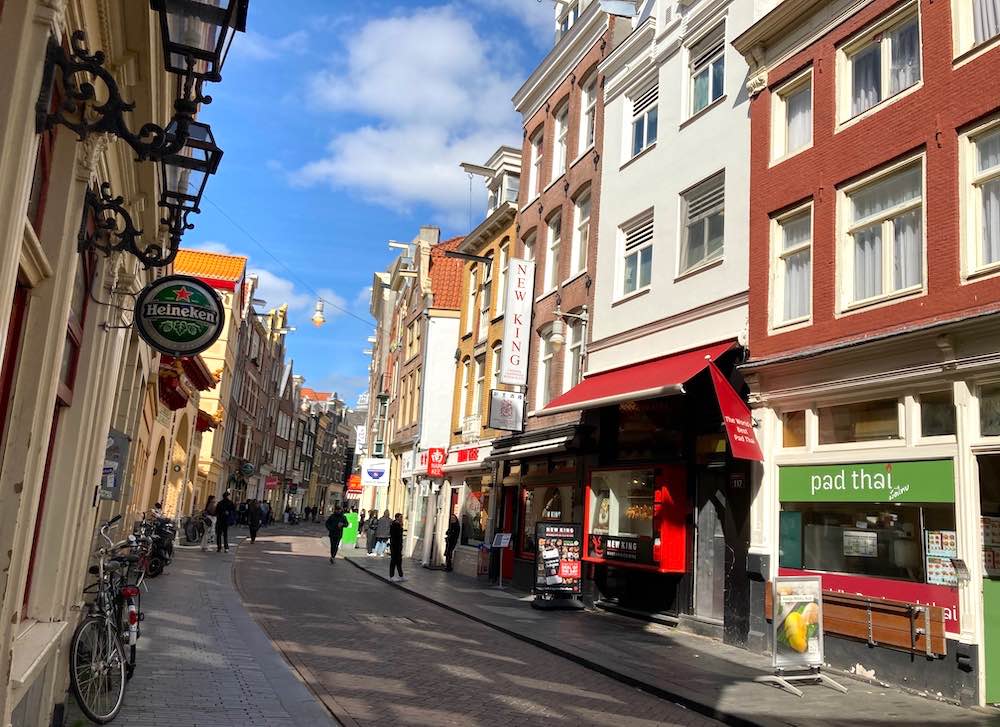
Zeedijk Amsterdam: history, food, bars, shops and visitor tips
Amsterdam Zeedijk – The Ultimate Guide
Zeedijk Amsterdam is one of the oldest and most interesting streets in the city centre. It is known for its long history, Chinatown, old bars, small shops, and mix of local and international food.
Last update: 31 March 2026
Many visitors walk past it without knowing how much is packed into this short street. During our visit, we noticed that Zeedijk feels different from the bigger shopping streets. It is more layered, more local, and more connected to Amsterdam’s past.
Often overlooked by tourists, Zeedijk offers an authentic slice of Amsterdam life, from its historic roots as a 13th-century dike to today’s lively mix of flavors, cultures, and old buildings. In this guide, you will see why this Dutch street deserves time on your Amsterdam walk.
| Quick fact | Answer |
|---|---|
| What is it? | One of Amsterdam’s oldest streets |
| Why is it called Zeedijk? | It began as a dike that protected the city from water |
| Best known for | History, Chinatown, bars, small shops, and food |
| Where does it run? | From Prins Hendrikkade toward Nieuwmarkt and the Waag area |
| Best time to visit | Daytime for exploring, early evening for food and bars |
Amsterdam Zeedijk History

Zeedijk, one of Amsterdam’s oldest streets, is steeped in history. It started in the 13th century as a dike built to protect the city from the sea and the water of the IJ. That is where the name comes from: “zee” means sea, and “dijk” means dike.
In simple terms, a dike is a raised barrier that helps keep water out. Zeedijk was not first built as a fun street to walk on. It had a practical job. It helped Amsterdam survive.
In the 17th and 18th centuries, the street became more prosperous. It had elegant houses, busy trade activity, and strong links to the port. Sailors, merchants, migrants, and traders all passed through this part of the city, which helped shape its character.
By the 20th century, the area had changed again. Zeedijk became known for nightlife and, less glamorously, for crime and drugs. Since the late 20th century, the neighborhood has gone through major regeneration and is now a vibrant and much safer area.
- 13th century: built as a sea dike
- Golden Age: linked to trade and port life
- 20th century: decline, nightlife, drugs, and crime
- Late 20th century to now: regeneration and revival
In our opinion, this long rise-fall-rise story is one of the main reasons the street feels so real. It was not polished into character. It earned it over centuries.
Culinary Scene

Zeedijk is a strong pick for food lovers because it offers many types of food in a short walking distance. The street is closely linked to Amsterdam’s Chinatown, so Chinese and other Asian restaurants are a big part of the area’s identity.
Visitors can enjoy authentic Asian cuisine, from dim sum to Indonesian rijsttafel. At the same time, there are cafés and bistros serving Dutch snacks such as bitterballen, herring, and stroopwafels. This mix makes the street easy to enjoy even if your group wants different things.
During our visit, we noticed that the food scene works best when you do not rush. Walk the full street first. Then decide where to eat. That helps you avoid tourist-only choices and gives you a better feel for the area.
A good way to think about the street is this: old Amsterdam meets migrant food culture. That is why the culinary scene feels richer than a normal restaurant strip. Food here is part of the area’s history, not just a service for visitors.
| What to try | Why try it here |
|---|---|
| Chinese food | Zeedijk sits in the heart of Amsterdam’s Chinatown area |
| Indonesian rijsttafel | A classic Amsterdam dining experience with colonial-era roots |
| Bitterballen | Easy Dutch snack for a café stop |
| Stroopwafels | Good choice if you want a sweet Dutch treat |
If you want a hands-on food activity after exploring the street, this Amsterdam stroopwafel workshop fits the area well.
Shopping and Local Businesses
Beyond its food, the street is also known for its mix of small shops and local businesses. This is one of the reasons it feels more personal than many busy visitor areas in the centre.
You will find vintage clothing, second-hand books, small specialty stores, food shops, and places that still feel independent. That matters because local businesses give the street its real identity. Without them, Zeedijk would feel like any other tourist corridor.
During our visit, we noticed that the best shopping here is not about buying a lot. It is about finding one item with a story. A small book, a local snack, a bottle, an old print, or something from a long-running business often says more about Amsterdam than a generic souvenir does.
There is also a practical point here. Shopping on streets like this supports the kind of businesses that help keep the old centre varied. That is good for visitors and for the city itself.
- Good for small gifts and local finds
- Better for browsing than speed-shopping
- Strong mix of food shops, vintage, and neighborhood businesses
- Easy to combine with a walk to Nieuwmarkt and the Waag
In our opinion, the street works best when you explore it slowly. Keep your eyes on the windows, side streets, and older façades. That is where much of the charm is.
Amsterdam Zeedijk Bars
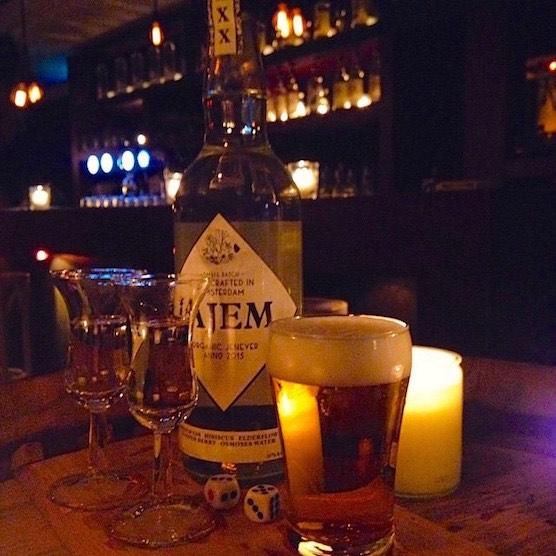
Zeedijk has long been linked to drinking culture, sailors, and nightlife. That old identity still shows today in the variety of pubs, tasting rooms, and neighborhood bars along the street.
Most bars on Zeedijk open by late morning or afternoon and stay open into the evening. Exact hours differ by venue, so it is smart to check ahead if there is one place you really want to visit.
The area is easy to reach. Nieuwmarkt metro station is a short walk away, and Amsterdam Central Station is also close enough to reach on foot in around 10 minutes. For many visitors, that makes Zeedijk a simple stop before dinner or a night out.
During our visit, we noticed a wide range of bar styles. Some places feel historic and low-key. Others feel louder and more social. That mix is one of the reasons the street works well for both casual visitors and people who want to stay out longer.
Here is the list of bars from the current page, cleaned up for easier reading:
- Proeflokaal de Ooievaar
- In ‘t Aepjen
- Het Elfde Gebod
- Bottle & Jars
- De Roode Laars
- Casablanca
- San Fransisco
- Cafe Zilt
- Cafe ‘t Mandje
- Cafe Oost-West
- Cafe De Zeemeeuw
- Cafe De Zon
- Cafe De Kroegtijger
If you want to connect food and drinks with a broader city experience, this Amsterdam food and canals tour is a relevant option.
Cultural Attractions and Landmarks
Zeedijk is not only about food and bars. It also has strong cultural value. One of the key landmarks is the Fo Guang Shan He Hua Temple, a major Buddhist temple in Amsterdam’s Chinatown and one of the most striking buildings in the area.
The temple changes the feeling of the street right away. It adds a calm and very visible cultural marker in a part of the city often linked only to nightlife. That contrast is part of what makes the street interesting.
There are also many older façades, narrow buildings, and surviving historic details along the route. Some buildings date back centuries, and the curve of the street still reflects its origin as a dike. In other words, the shape of the street is part of the history.
During our visit, we noticed that this is one of the best streets in the old centre for reading layers of Amsterdam at once. You see religion, trade, migration, nightlife, and daily local life on the same walk.
| Landmark | Why it matters |
|---|---|
| He Hua Temple | Major Chinatown landmark and a strong visual symbol of the area |
| Historic façades | Show the age and character of the street |
| Nearby Nieuwmarkt | Connects Zeedijk to one of the city’s most historic squares |
| Nearby Waag | Links the street to medieval Amsterdam and city defense history |
In our opinion, this is what makes Zeedijk Amsterdam more than a food street. It is a compact lesson in how Amsterdam grew and changed.
Visitor Information & Tips
If you are planning to visit, daytime and early evening are usually the best times. That is when shops are open, restaurants are active, and the street is lively without feeling too hectic.
The street is easy to explore on foot. From Amsterdam Central Station, walk southeast, cross Prins Hendrikkade, and you will reach the northern part of the street in about 10 minutes. You can also come from Nieuwmarkt if you are already exploring that side of the city.
A simple step-by-step plan works well here:
- Start near Central Station or Nieuwmarkt
- Walk the full street once without stopping much
- Pick one food stop, one drink stop, and one cultural stop
- Explore one or two side streets before moving on
The neighborhood is generally safe and much improved compared with past decades, but basic city awareness still matters. Keep an eye on your belongings, be respectful in busy areas, and watch for bikes when crossing streets.
- Best for slow walking, not rushing
- Good with friends, solo, or as a couple
- Easy to combine with Chinatown, Nieuwmarkt, and the Red Light District
- Works well as a daytime walk that continues into dinner
We noticed that people who enjoy the street most tend to stay flexible. Do not over-plan every stop. Leave room to go into a café, shop, or temple area that catches your eye.
Amsterdam Zeedijk Things to do
In the heart of Amsterdam, where the vibrant street stretches its historical and cultural roots, lies an equally intriguing part of the city: the Red Light District. This is one reason the area works so well for visitors. You can start with history and food, then continue into nightlife, canals, or evening entertainment.
Our app offers an immersive Red Light District tour, linking the historical side of the street with the surrounding old centre. For visitors who want to continue into the nightlife side of Amsterdam, we also offer access to shows at Moulin Rouge.
During our visit, we noticed that this area works best as part of a wider walking route. A simple route is Central Station, Zeedijk, Chinatown, Nieuwmarkt, the Waag, and then the Red Light District. That gives you a strong mix of history, food, and atmosphere in one part of the city.
| Activity | Why do it |
|---|---|
| Walk the full street | Best way to understand its shape and character |
| Eat in Chinatown | Strongest food identity in the area |
| Visit a bar | Connects with the street’s long nightlife history |
| Continue to Nieuwmarkt | Adds history and architecture |
| Continue to the Red Light District | Easy next step if you want evening energy |
Zeedijk Amsterdam is best when treated as a full experience, not a single stop. That is why it keeps rewarding visitors who walk, look, and stay curious.
Frequently Asked Questions
What is Zeedijk in Amsterdam known for?
Zeedijk is known for its long history, Chinatown, bars, small shops, cultural landmarks, and varied food scene. It is popular with both locals and visitors because it combines old Amsterdam with a lively present-day atmosphere.
Can you find traditional Dutch food on Zeedijk?
Yes. Alongside Asian restaurants and other international places, visitors can find Dutch snacks such as bitterballen, herring, and stroopwafels.
Is Zeedijk safe for tourists?
Yes, generally it is. The area has changed a lot since the late 20th century and is now much more welcoming, though normal city awareness is still wise, especially at night.
Are there any cultural landmarks on Zeedijk?
Yes. The best-known landmark is the Fo Guang Shan He Hua Temple. The street also has many old buildings and sits close to Nieuwmarkt and the Waag.
What is the best time to visit Zeedijk?
Daytime and early evening are usually best. That is when shops, restaurants, and cafés are most active, and the street is lively without feeling too crowded.
How do you get to Zeedijk?
You can walk there easily from Amsterdam Central Station in about 10 minutes. Nieuwmarkt metro station is also nearby.
How old is the Zeedijk?
Zeedijk dates back to the 13th century. It began as a dike to protect Amsterdam from water and later developed into one of the city’s oldest streets.
How long is the Zeedijk?
Zeedijk is about 1 kilometer long. It runs from the Prins Hendrikkade area toward Nieuwmarkt and the Waag, packing a lot into a short walking distance.





-
- Home
- Tours
- Hotels
- Information
- History
- FAQ
- Contact
- Privacy Policy
Sitemap
-
- Coffeeshops
- Restaurants
- Sex Clubs
- Museums
- Canal Cruises
- Bike Rental
Entertainment
-
Contact

© 2010–2026 Amsterdam Red Light District – Amsterdam Red Light District Travel Guide. Webdesign by BIRO.
 EN
EN  DE
DE  FR
FR  NL
NL  ES
ES  ZH
ZH