


Our Lord In The Attic Museum
Posted on: diciembre 1, 2025
Ultimate Our Lord In The Attic Guide
What Is Our Lord in the Attic Museum?
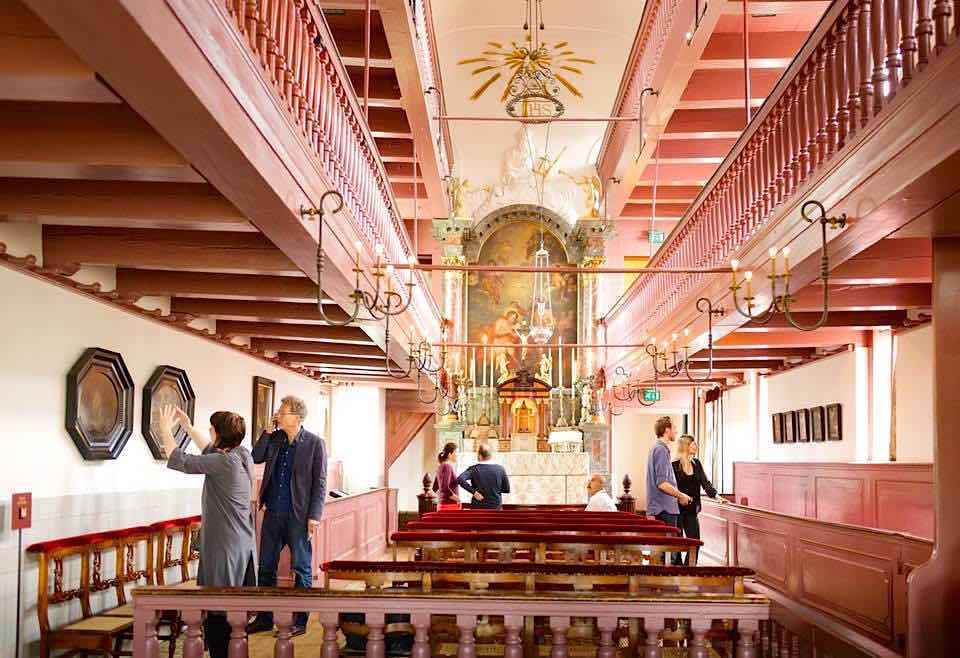
Our Lord in the Attic Museum is a hidden church inside a 17th-century canal house in Amsterdam. From the outside, it looks like a normal home. Inside, the top floors hide a fully built Catholic church, complete with altar, pews, and gallery. This surprise is the main reason people visit.
Definition (simple):
-
Hidden church: a place of worship built inside a private building so it was not visible from the street.
The museum exists because Catholics were not allowed to build visible churches at the time. Instead, they adapted homes so people could still practice their faith quietly. This makes the museum both a religious site and a history lesson in tolerance.
Why it matters
-
Shows how people adapted to strict rules
-
Explains religious life in old Amsterdam
-
Preserves a rare type of building you almost never see
What makes it unique (quick list)
-
A real church, not a reconstruction
-
Built across multiple attic floors
-
Located in a working canal house
-
Still feels intimate and human-sized
Think of the museum as two experiences in one: a walk through a historic home and a visit to a secret church. That combination helps visitors understand not just what happened in history, but how people lived with those rules every day.
What looks like an ordinary canal house in Barrio Rojo de Ámsterdam turns out to be an entire hidden Catholic church.
Our Lord in the Attic was built in the mid-1600s in defiance of the Calvinists, but tolerated. Inside you’ll see labyrinthine staircases, rich artwork, period decor and the soaring two-story church itself.

Our Lord in the Attic, A 17th-century residential museum home with a hidden church in the loft. Most people will just pass by this building, as it doesn’t look like a church at all. In this monument the Dutch Golden Ages comes to life.
Visitors step back 350 years in time and wander through the corridors, rooms, kitchens and the stairs towards the jewel at the heart of the museum: the magnificent church in the attic.
History Of Our Lord In The Attic
To understand the museum, you need to understand religious tolerance in the Netherlands—and its limits. In the 1600s, the Dutch Republic allowed freedom of belief, but not full freedom of public worship. Catholics could practice their faith, but not in visible churches.
Key concept
-
Tolerance ≠ equality
People could believe freely, but public expression was restricted.
This led to the creation of “schuilkerken,” or hidden churches. Wealthy Catholics built churches inside houses, warehouses, or attics. Authorities often knew they existed but chose not to shut them down, as long as they stayed discreet.
Step-by-step: how a hidden church worked
-
Church built inside a private home
-
No visible signs from the street
-
Services held quietly
-
Entry controlled to avoid attention
Why this museum survived
-
The building was privately owned
-
The church stayed hidden and respectful
-
The structure remained intact over centuries
Simple timeline
| Period | What happened |
|---|---|
| 16th century | Religious conflict in Europe |
| 17th century | Hidden churches appear |
| 19th century | Religious freedom expands |
| Today | Church preserved as museum |
This background helps visitors understand why the museum feels modest, quiet, and personal. It was never meant to impress from the outside—only to serve those who knew it was there.
The house was built by Jan Hartman in 1663, which makes the house 352 years old. Hartman was a German merchant who was a Catholic.
Since 1578 when the so-called Alteration occurred and the Catholic city authority was dismissed with a Reformed authority, non-Reformed individuals were not permitted to hold public religious services.
Therefor, Hartman built a church upstairs, because holding services within premises that were not recognisable as churches was allowed. Since 1888, the house and church have provided one of the most remarkable museum experiences.
What You’ll See Inside the Museum
The museum visit starts at street level and moves upward through the house, floor by floor. Each level shows a different part of daily life in a canal house, leading up to the attic church at the top.
Rooms you’ll pass through
-
Living spaces and kitchens
-
Bedrooms and storage rooms
-
Narrow staircases (typical of canal houses)
At the top, you reach the church. It spans three attic floors and includes an altar, pulpit, benches, and decorative paintings. The space feels warm and quiet, not grand or cold.
What stands out
-
Natural light from roof windows
-
Hand-painted decorations
-
Wooden galleries and balconies
Why the design works
-
Light makes the space feel open
-
Wood keeps sound soft
-
Compact layout fits many people without noise
Visitor tip (important)
-
Staircases are steep and narrow
-
Take your time going up and down
-
The museum is not ideal for large bags
The experience feels personal because it was built for a local community, not tourists. That helps visitors connect emotionally and understand how faith, architecture, and daily life were woven together.
New Part Of Our Lord In The Attic
This hidden church has a brand new part which was opened in September 2015 by the queen of the Netherlands: Maxima. It’s located next to the original part of the church and it took around six years to complete the expansion and renovation. The new building of Our Lord in the Attic is part of the so called Amsterdam’s Project 1012.
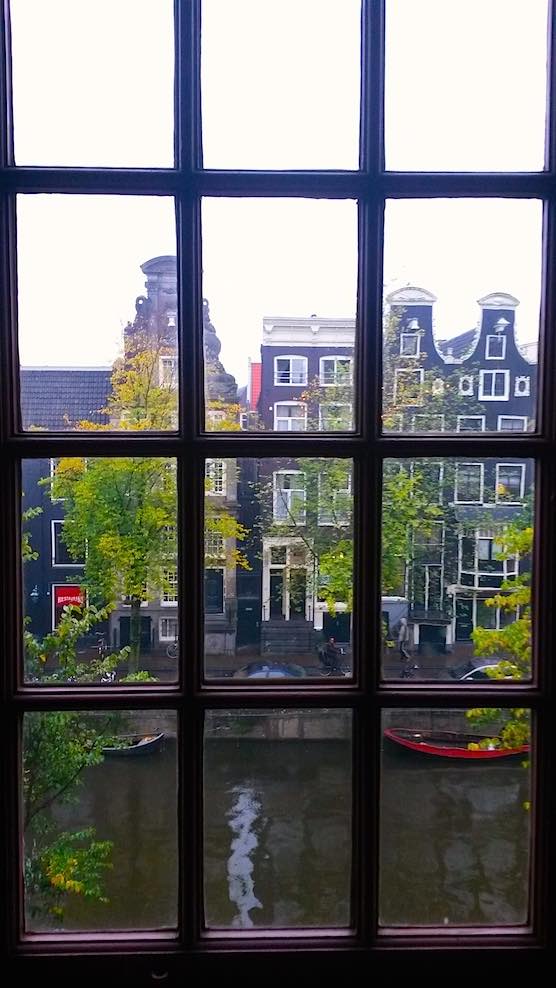
One of the goals of this project is to have more variety in the Red Light District. Just a couple decades ago, the area used to be all about sexo de pago & drugs. Nowadays, it offers much more than that, like the brand new part of this museum, which includes a coffee bar and a stunning view!
Visiting Information (Tickets, Opening Hours, Location)
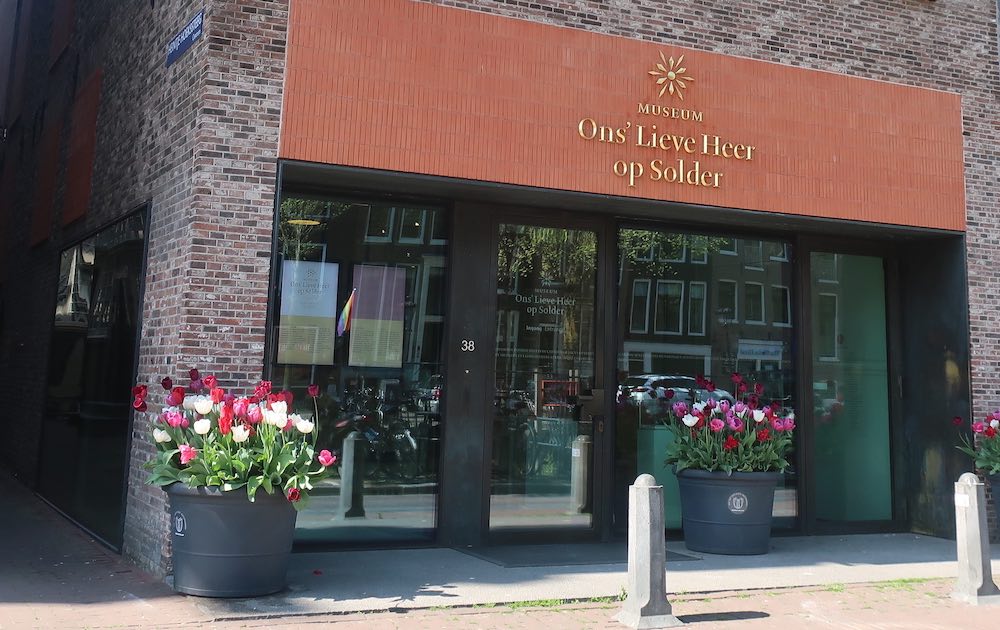
Our Lord in the Attic Museum is located in Amsterdam’s old city center, close to Central Station and in the Red Light District. Because it’s inside a historic house, space is limited and visits are carefully managed.
Basic visiting facts
-
Location: historic canal area
-
Visit length: about 60–90 minutes
-
Entry: timed tickets recommended
Why timed entry matters
-
Narrow staircases
-
Small rooms
-
Better visitor flow and safety
Planning formula (simple)
-
Total visit time = museum time + walking time + buffer
Example:
60 min (museum) + 15 min (walk) + 15 min (buffer) = 90 minutes
Best time to visit
-
Morning or early afternoon
-
Weekdays are quieter
-
Avoid peak weekends if possible
Accessibility note
-
Many stairs
-
No elevator
-
Not fully wheelchair accessible
Because the museum is small, planning ahead makes a big difference. Buying tickets in advance reduces waiting and ensures a calm visit, which fits the quiet nature of the site.
Opening Hours Of Our Lord In The Attic
Monday to Saturday: 10 am – 5 pm
Sundays : 1 pm – 5 pm
Entrance Prices
Adults: 10,- Euro
Kids (5 – 18 years): 5,- Euro
Kids (<5 years): Free
Entrance tickets can also be bought online as part of the Amsterdam City Card.
This little church is truly one of the best hidden gem’s in Amsterdam! You’ll love it!
How To Get To This Hidden Church In Amsterdam Red Light District?
- By foot: This church is located just 10 minutes from Central Station. Please check the map below to see how to get here.
- Tram: There are no trams in the Red Light District
- Metro: The nearest tube is at Central Station.
- Car: Getting here by car is a hassle! There are only a few parking spots and parking here usually cost 5 euro per hour.
Fun Things To Do In Amsterdam
- Combine a visit to this hidden church with a fascinating this tour through the Red Light District. Within a couple of hours you’ll get to know all the secrets of the area. It’s fun, interesting and healthy!
- Opposite of Our Lord in the Attic there is a really good restaurant called Paleis van de Weemoed. Their food is amazing and between meals you’ll be entertained by a musical performance. click here to read a review.
- Are you a beer fan? Then go to Brewery de Prael which is located just next to the church. This brewery makes delicious beers. They also do tours by the way.
- Not too far away for Our Lord in the Attic you can find Amsterdam’s Nieuwmarkt. This square is surrounded by nice bars. Go here! Lots of sun!
ALSO DISCOVER:
2 Responses to Our Lord In The Attic Museum
Deja una respuesta






-
- Home
- Tours
- Hotels
- Información
- History
- FAQ
- Contact
- Privacy Policy
Sitemap
-
- Coffeeshops
- Restaurants
- Sex Clubs
- Museums
- Canal Cruises
- Bike Rental
Entertainment
-
Contact


© 2010–2026 Amsterdam Red Light District – Amsterdam Red Light District Travel Guide. Webdesign by BIRO.
 ES
ES  EN
EN  DE
DE  FR
FR  NL
NL  ZH
ZH
Where is this church in relation to the Anne Frank house?
Thank you,
Michael Tomlinson
[…] Our Lord in the Attic: A Secret Church […]